Standard Photo Print Sizes: A Photographer’s Guide to What to Sell (and Charge)

Most “standard photo print sizes” guides are written for the person ordering 30 prints of their dog. Useful, sure, but not for you. You are not printing memories for your fridge. You are building a print menu that clients will actually buy from, and every size you offer is a pricing decision, a cropping decision, and a profit decision rolled into one.
So let’s do this properly. Below is the full list of standard photo print sizes by aspect ratio, plus the part nobody else covers: which sizes are worth putting in front of clients, how to price them, and how to stop bad crops from eating your reorders.
Build a Beautiful Business.
Standard photo print sizes chart (quick reference)
Here is the cheat sheet. Sizes are grouped by aspect ratio, because that is what actually determines whether your image fits the frame or gets its head cropped off.
| Print size (inches) | Aspect ratio | Best for |
|---|---|---|
| 4×6 | 2:3 | Proofs, reorders, volume packages |
| 8×12 | 2:3 | Standard enlargement, matches most cameras natively |
| 12×18 | 2:3 | Wall art, no cropping needed |
| 20×30 | 2:3 | Large statement piece |
| 5×7 | 5:7 | Greeting cards, desk frames, gifting |
| 8×10 | 4:5 | The classic portrait, framing-friendly |
| 16×20 | 4:5 | Wall portrait, very common frame size |
| 24×30 | 4:5 | Gallery wall centerpiece |
| 5×5 | 1:1 | Square albums, social-first clients |
| 10×10 | 1:1 | Modern square wall art |
| 12×36 | 1:3 | Panoramic, landscapes and group lineups |
| 11×14 | “near 4:5” | Popular frame size, needs a slight crop |
Two things to notice. First, most digital cameras capture at a 2:3 ratio, which means a 4×6, 8×12, 12×18, or 20×30 prints with zero cropping. Second, the size everyone instinctively asks for, the 8×10, is actually a 4:5 ratio, so it always loses a slice of your 2:3 image. More on why that matters in a minute.
Why print sizes matter more when you sell to clients
When a consumer picks the wrong size, they get a slightly awkward print. When you offer the wrong sizes, you lose money in three quiet ways.
- Too many options paralyze buyers. A menu with 22 sizes does not look generous. It looks like a tax form. Clients freeze, then default to the cheapest 4×6.
- The wrong sizes force ugly crops. Offer an 8×10 of a full-length portrait without planning for it, and you are cropping ankles or hairlines. That print does not get reordered, and it quietly trains clients not to trust your wall art.
- Round-number sizes hide your value. A 4×6 feels like a drugstore product. A 24×30 framed piece feels like art. Same photo, wildly different perceived worth.
The fix is not offering every size that exists. It is curating a tight menu of sizes that crop cleanly, frame easily, and ladder up in price. Your gallery software should be doing the heavy lifting here, which is exactly what a well-built online photo store is for.

Standard sizes by aspect ratio
2:3 ratio (your camera’s native shape)
This is the ratio your full-frame and most crop-sensor cameras produce, so these sizes print with no cropping at all. That alone makes them the backbone of a smart print menu.
- 4×6: Your entry point. Great for proofs, package fillers, and volume work like sports and schools.
- 8×12: The honest enlargement. What an “8×10” wishes it were, with none of the cropping drama.
- 12×18 and 20×30: Wall-worthy and crop-free. These are where your margins start to feel good.
4:5 ratio (the framing favorite)
The 8×10, 16×20, and 24×30 live here. Frame stores adore these sizes, and clients recognize them, which makes them easy to sell. The catch is that a 2:3 image has to lose some width or height to fit. Plan the crop intentionally, ideally at capture, and these become some of your strongest sellers.
5:7 ratio
The 5×7 is the gifting workhorse: holiday cards, desk frames, grandparent giveaways. Low price point, high emotional pull, and a natural add-on at checkout.
1:1 square
Squares (5×5, 8×8, 10×10) read as modern and album-friendly, and they are a gift for social-first clients. If you design square albums, offering matching square prints keeps the whole product line cohesive.
Quick reality check: if cropping ratios make your eyes glaze over, you are not alone. We broke the whole thing down in our guide to photo aspect ratios, which pairs nicely with this one.
Large and statement wall art sizes
This is where print sales stop being transactional and start being profitable. Large photo print sizes (16×20, 20×30, 24×36, 30×40) are the pieces clients hang above the couch and show off to guests.
A few rules for selling big:
- Check your resolution. As a working benchmark, aim for around 300 PPI at print size for sharp results, though large pieces viewed from a distance can succeed lower. For a 20×30 at 300 PPI, that is roughly a 6000 x 9000 pixel file.
- Show it at scale. Clients cannot picture “24×36” in their heads. A room-view mockup converts far better than a number on a price sheet.
- Anchor your menu with the big size. Even clients who buy smaller spend more when a premium large option exists on the menu.
Panoramic photo print sizes
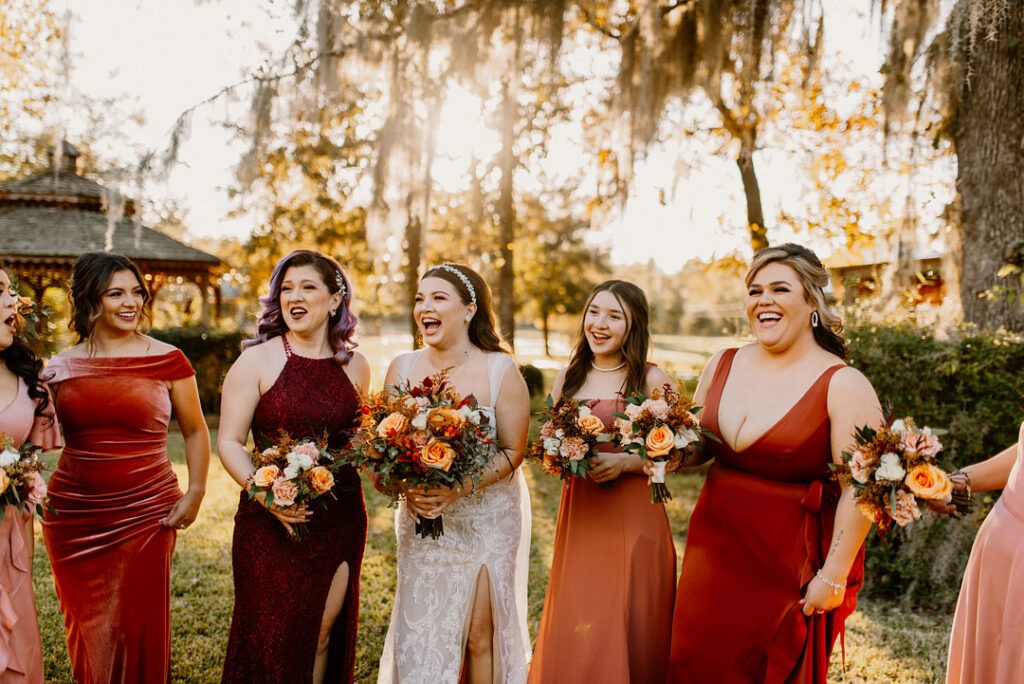
Panoramic prints (12×36, 20×60, and similar long ratios) are the secret weapon for landscapes, cityscapes, and large group lineups, think wedding parties and team photos. They command premium pricing precisely because they are not the default. Just compose for them in advance, because cropping a standard frame down to a 1:3 panorama can leave you starved for pixels.
Canvas, metal, and specialty print sizes
Canvas photo print sizes largely mirror standard dimensions (8×10, 16×20, 24×36), but they behave differently in two ways. Gallery wraps lose a small amount of image around the edges where the canvas folds over the frame, so keep important details away from the border. And specialty surfaces, canvas, metal, acrylic, fine art paper, carry higher perceived value, which means higher prices and better margins than paper.

When you fulfill through professional print labs, these specialty products ship straight to your client with your branding, so you are selling premium wall art without touching a single box yourself.
So which sizes should you actually sell?
Here is the part the consumer guides skip entirely. You do not need every size. You need a tight, intentional menu. A strong starter print menu looks like this:
- One small gifting size: 4×6 or 5×7
- One classic framed size: 8×10 or 8×12
- One mid wall size: 11×14 or 16×20
- One statement piece: 20×30, 24×36, or a panoramic
- One specialty product: a canvas or metal in a single hero size
Five tiers. Each one crops cleanly, frames easily, and steps up in price. That is enough to guide a client from “I’ll take a couple of prints” to “actually, let’s do the big canvas,” without overwhelming anyone.
How to price each print size
Pricing is where size strategy turns into income, and it is its own deep topic, so here is the short version.
- Do not price by the inch. Linear pricing makes small prints feel expensive and large prints feel cheap, the exact opposite of what you want.
- Mark up specialty and large sizes harder. A 24×36 canvas is not “three times a 4×6.” It is a finished piece of art, and it should be priced like one.
- Build it once, reuse it forever. A reusable price sheet keeps your sizes, costs, and margins consistent across every gallery, and ShootProof’s Price Sheet builder lets you start from lab-cost templates so you are never guessing your markup.
For the full breakdown, including profit margins and psychology, see our guide on how to price photography prints, then put it into action with the strategies in how to sell photography prints.

Don’t let a bad crop ruin a good print
The single most common print complaint is not size. It is cropping. A 2:3 portrait squeezed into an 8×10 (4:5) loses a strip of the image, and if you did not plan for it, that strip might include the top of someone’s head.
Three habits that prevent it:
- Compose with room to crop when you know a client favors framed sizes like 8×10 or 11×14.
- Offer crop-friendly sizes in matching ratios so 2:3 images have a 2:3 print option.
- Let clients preview the crop before they buy. Galleries that show the actual crop at checkout slash refund requests and reorder headaches.
Get clients. Get paid. Get happy.
Frequently asked questions
What are the standard photo print sizes? The most common are 4×6, 5×7, 8×10, 8×12, 11×14, 16×20, 20×30, and 24×36. Grouped by aspect ratio: 2:3 (4×6, 8×12, 12×18, 20×30), 4:5 (8×10, 16×20, 24×30), and 5:7 (5×7).
What is the most popular photo print size? The 4×6 is the most ordered overall because it matches a camera’s native 2:3 ratio and is inexpensive. For framed wall art, the 8×10 and 16×20 are the most requested.
Why does an 8×10 crop my photo? Because an 8×10 is a 4:5 ratio, while most cameras capture at 2:3. Fitting a 2:3 image into a 4:5 print means trimming part of the image. Choose an 8×12 instead if you want zero cropping.
What size print needs the most resolution? Large prints. As a rule of thumb, target roughly 300 PPI at final print size, so a 24×36 wants a very high-resolution file. Lower resolution can work for big prints viewed from a distance.
How many print sizes should a photographer offer? Around five well-chosen tiers, from a small gifting print to a large statement piece. A focused menu sells better than an exhaustive one.

The short version: build your menu around a handful of sizes that crop cleanly and ladder up in price, price the big and specialty pieces like the art they are, and let your gallery handle the crop previews and reorders. Do that, and “what size do you offer?” stops being a question you dread and becomes the start of a sale.
Gorgeous photos by Chanze Ashorn Photography
Contributor